


Ambiente e salute nei siti contaminati
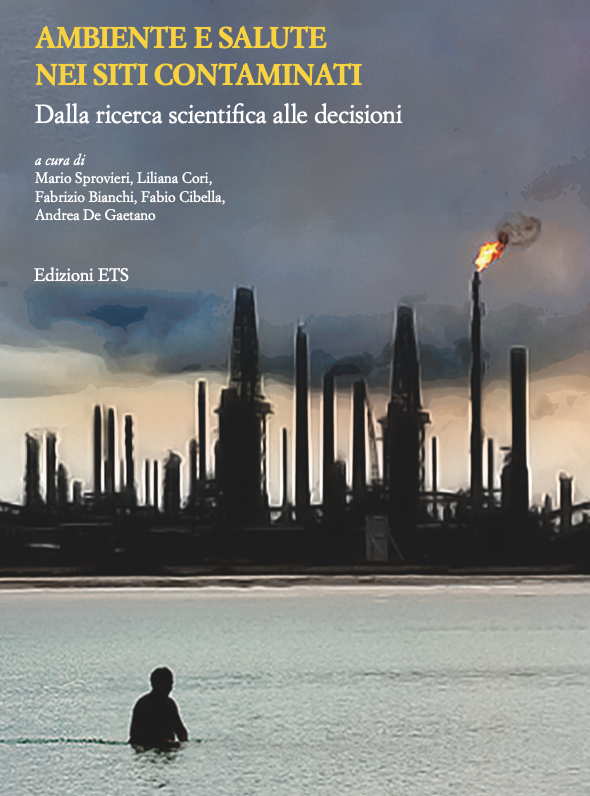
Ambiente e salute nei siti contaminati CNR 2021
La gestione dei Siti contaminati rimane uno dei maggiori problemi ambientali per i Paesi europei; recenti dati della European Environment Agency ...















ID 27145 | 22 Settembre 2026 / Allegato
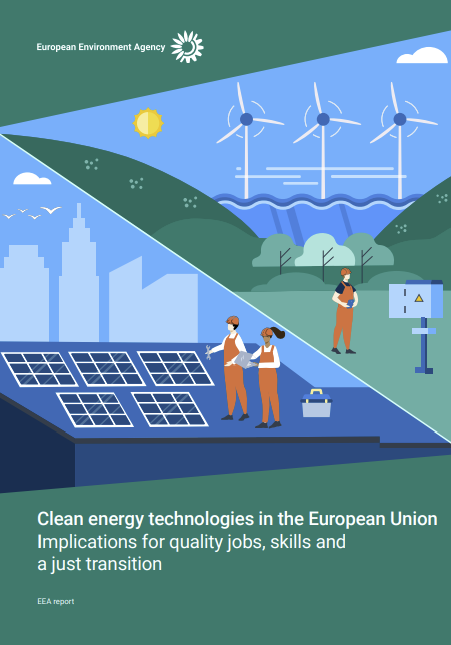
The European Union (EU) is rapidly transforming its economy to achieve climate neutrality, guided by legally binding emissions targets. At the same time, it faces ongoing geopolitical uncertainties, including recent tensions in the Middle East.
As such, it is necessary to accelerate the EU′s clean transition and further reduce its dependence on imported fossil fuels and vulnerability to energy price shocks.
Europe′s transition to climate neutrality is reshaping its industrial and employment landscape, although clean energy technologies in the EU face structural challenges such as relatively high energy and labour costs, permitting and planning bottlenecks, and some limitations in access to critical raw materials (CRMs). In spite of this, clean tech is becoming an essential pillar of the transition, accounting for a growing share of economic activity and job creation.
The evolving policy framework at the EU level signals a shift from a predominantly market-led industrial policy to a more integrated, strategic and state-supported approach. This shift is happening against a backdrop of intensifying global competition, shifting supply chains and growing geopolitical pressures.
Crucially, Europe′s long‑term competitiveness and climate neutrality objective will depend on this kind of enabling policy and regulatory framework, innovation and investment. It will also rely on a skilled workforce and quality employment. Ensuring that workers have the right skills, that job quality keeps pace with expanding labour demand and that opportunities are accessible across regions and social groups are all key factors for a just transition.
This study examines these dimensions by analysing employment trends, workforce composition, skill needs, labour shortages and job quality across four clean energy technologies (wind energy, solar photovoltaics (PV), heat pumps and batteries).
The aim is to inform evidence‑based policymaking and the EU′s evolving industrial transition agenda - spanning the Net-zero Industry Act (NZIA), the Clean Industrial Deal (CID), the proposed Industrial Accelerator Act and AccelerateEU - and to support quality jobs, skills initiatives and just‑transition instruments.
EEA report 08/2026
La gestione dei Siti contaminati rimane uno dei maggiori problemi ambientali per i Paesi europei; recenti dati della European Environment Agency ...

ID 12291 | 11.12.2020
Per gestire il servizio di raccolta domiciliare dei rifiuti Covid i Comuni dovranno individuare adeguate soluzioni organizzative volte a...
Con il 2021 si aprono i dieci anni fondamentali per avviare concretamente il nostro mondo sulla strada della sostenibilità, in linea con gli...
Testata editoriale iscritta al n. 22/2024 del registro periodici della cancelleria del Tribunale di Perugia in data 19.11.2024