

~ 2000 / 2026 ~
// Documenti disponibili n:
49.469
// Documenti scaricati n:
42.604.287
// Newsletter n:
4578


















UNI EN 12845:2026 Sistemi automatici a sprinkler P.I.M. / Pubblicata UNI 04.06.2026
ID 3200
Per poter visualizzare la newsletter con i dati personalizzati devi essere connesso. Fai click qui per effettuare l'accesso al sito.
| Appunti Normazione | ||
| Newsletter n. 3133 del 03 Settembre 2026 | ||
 |
||
| Salve Visitatore | ||
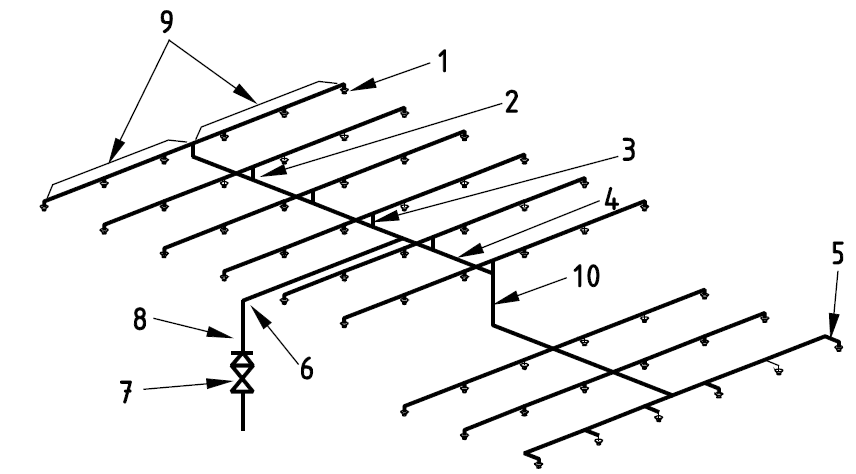
UNI EN 12845:2026 ID 26390 | 04 Giugno 2026 / Preview allegata UNI EN 12845:2026 La norma specifica i requisiti e fornisce le raccomandazioni per la progettazione, l'installazione e la manutenzione di impianti fissi antincendio sprinkler in edifici e in insediamenti industriali, ed i requisiti particolari per i sistemi sprinkler. Essa tratta la classificazione dei pericoli, le alimentazioni idriche, i componenti da utilizzare, l'installazione, le prove ed il collaudo del sistema, la manutenzione e l'ampliamento dei sistemi esistenti, ed individua, per gli edifici, le indicazioni costruttive necessarie per garantire una prestazione soddisfacente dei sistemi sprinkler. Data entrata in vigore: 04 giugno 2026 Sostituisce: UNI EN 12845:2020 Recepisce: EN 12845:2015+A2:2026 EN 12845:2015+A2:2026 Fixed firefighting systems - Automatic sprinkler systems - Design, installation and maintenance Introduction An automatic sprinkler system is designed to detect a fire and extinguish it with water in its early stages or hold the fire in check so that extinguishment can be completed by other means. A sprinkler system consists of a water supply (or supplies) and one or more sprinkler installations; each installation consists of a set of installation main control valves and a pipe array fitted with sprinkler heads. The sprinkler heads are fitted at specified locations at the roof or ceiling, and where necessary between racks, below shelves, and in ovens or stoves. The main elements of a typical installation are shown in Figure 1.
Key Figure 1 - Main elements of a sprinkler installation The sprinklers operate at predetermined temperatures to discharge water over the affected part of the area below. The flow of water through the alarm valve initiates a fire alarm. The operating temperature is generally selected to suit ambient temperature conditions. Only sprinklers in the vicinity of the fire, i.e. those which become sufficiently heated, operate. The sprinkler system is intended to extend throughout the premises with only limited exceptions. It should not be assumed that the provision of a sprinkler system entirely obviates the need for other means of fighting fires and it is important to consider the fire precautions in the premises as a whole. Structural fire resistance, escape routes, fire alarm systems, particular hazards needing other fire protection methods, provision of hose reels and fire hydrants and portable fire extinguishers, etc., safe working and goods handling methods, management supervision and good housekeeping all need consideration. It is essential that sprinkler systems should be properly maintained to ensure operation when required. This routine is liable to be overlooked or given insufficient attention by supervisors. It is, however, neglected at peril to the lives of occupants of the premises and at the risk of crippling financial loss. The importance of proper maintenance cannot be too highly emphasized. When sprinkler systems are out of service extra attention should be paid to fire precautions and the appropriate authorities informed. It is a basic assumption that this standard is for the use of companies employing personnel competent in the field of application with which it deals. Only trained and experienced personnel should undertake the design, installation and maintenance of sprinkler systems. Similarly, competent technicians should be used in the installation and testing of the equipment (see Annex M). 1 Scope This European Standard specifies requirements and gives recommendations for the design, installation and maintenance of fixed fire sprinkler systems in buildings and industrial plants, and particular requirements for sprinkler systems that are integral to measures for the protection of life. This European Standard covers only the types of sprinkler specified in EN 12259-1 (see Annex L). The requirements and recommendations of this European Standard are also applicable to any addition, extension, repair or other modification to a sprinkler system. They are not applicable to water spray or deluge systems. It covers the classification of hazards, provision of water supplies, components to be used, installation and testing of the system, maintenance, and the extension of existing systems, and identifies construction details of buildings which are the minimum necessary for satisfactory performance of sprinkler systems complying with this European Standard. This European Standard does not cover water supplies to systems other than sprinklers. Its requirements can be used as guidance for other fixed firefighting extinguishing systems, provided that This European Standard is intended for use by those concerned with purchasing, designing, installing, testing, inspecting, approving, operating and maintaining automatic sprinkler systems, in order that such equipment will function as intended throughout its life. This European Standard is intended only for fixed fire sprinkler systems in buildings and other premises on land. Although the general principles might well apply to other uses (e.g. maritime use). For these other uses additional considerations should be taken into account. The requirements are not valid for automatic sprinkler systems on ships, in aircraft, on vehicles and mobile fire appliances or for below ground systems in the mining industry. Sprinkler system design deviations might be allowed when such deviations have been shown to provide a level of protection at least equivalent to this European Standard, for example by means of full-scale fire testing where appropriate, and where the design criteria have been fully documented. 2 Normative references The following documents, in whole or in part, are normatively referenced in this document and are indispensable for its application. For dated references, only the edition cited applies. For undatedì references, the latest edition of the referenced document (including any amendments) applies. EN 54 (all parts), Fire detection and fire alarm systems 3 Terms and definitions For the purposes of this document, the following terms and definitions apply. 3.1 'A' gauge 3.2 accelerator 3.3 alarm test valve [...] Collegati 
|
||
 |
||
|
sono siti di: Se vuoi cancellarti dall'invio della newsletter clicca qui oppure effettua il login al sito ed entra nella Tua Area Riservata, in “Modifica dati” agisci con la spunta sul box di selezione “newsletter”. L'elenco completo di tutte le ns newsletter è qui: Archivio newsletter certifico.com
Testata editoriale iscritta al n. 22/2024 registro periodici Tribunale di Perugia 19.11.2024 |
||
   |
||
 |
||
| Certifico Srl 2000-2026 | VAT IT02442650541 | ||

Certifico s.r.l.
Sede: Via A. De Curtis, 28 - 06135 Perugia - IT
Sede: Via Madonna Alta 138/A - 06128 Perugia - IT
P. IVA: IT02442650541
Tel. 1: +39 075 599 73 63
Tel. 2: +39 075 599 73 43
Assistenza: 800 14 47 46
www.certifico.com
info@certifico.com
Sede: Via Madonna Alta 138/A - 06128 Perugia - IT
P. IVA: IT02442650541
Tel. 1: +39 075 599 73 63
Tel. 2: +39 075 599 73 43
Assistenza: 800 14 47 46
www.certifico.com
info@certifico.com
Testata editoriale iscritta al n. 22/2024 del registro periodici della cancelleria del Tribunale di Perugia in data 19.11.2024