

~ 2000 / 2026 ~
// Documenti disponibili n:
49.297
// Documenti scaricati n:
42.142.387
// Newsletter n:
4414

















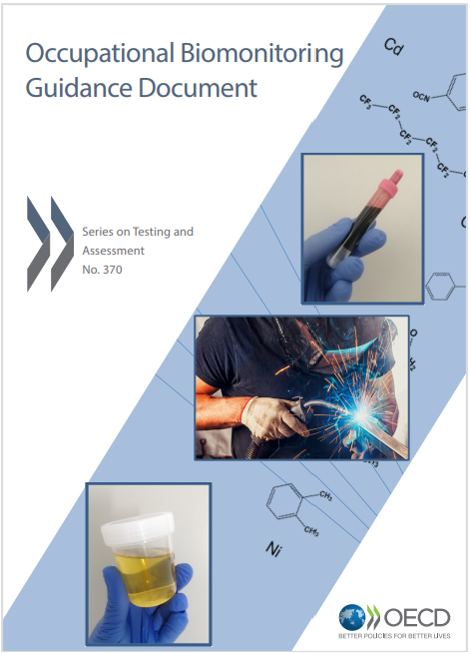
Occupational Biomonitoring Guidance Document / OECD 2022
ID 2429
Per poter visualizzare la newsletter con i dati personalizzati devi essere connesso. Fai click qui per effettuare l'accesso al sito.
| Appunti Sicurezza Lavoro | ||
| Newsletter n. 2364 del 02 Luglio 2026 | ||
 |
||
| Salve Visitatore | ||
|
||
 |
||
|
sono siti di: Se vuoi cancellarti dall'invio della newsletter clicca qui oppure effettua il login al sito ed entra nella Tua Area Riservata, in “Modifica dati” agisci con la spunta sul box di selezione “newsletter”. L'elenco completo di tutte le ns newsletter è qui: Archivio newsletter certifico.com
Testata editoriale iscritta al n. 22/2024 registro periodici Tribunale di Perugia 19.11.2024 |
||
   |
||
 |
||
| Certifico Srl 2000-2026 | VAT IT02442650541 | ||


Certifico s.r.l.
Sede: Via A. De Curtis, 28 - 06135 Perugia - IT
Sede: Via Madonna Alta 138/A - 06128 Perugia - IT
P. IVA: IT02442650541
Tel. 1: +39 075 599 73 63
Tel. 2: +39 075 599 73 43
Assistenza: 800 14 47 46
www.certifico.com
info@certifico.com
Sede: Via Madonna Alta 138/A - 06128 Perugia - IT
P. IVA: IT02442650541
Tel. 1: +39 075 599 73 63
Tel. 2: +39 075 599 73 43
Assistenza: 800 14 47 46
www.certifico.com
info@certifico.com
Testata editoriale iscritta al n. 22/2024 del registro periodici della cancelleria del Tribunale di Perugia in data 19.11.2024